How The Buick Regal T-Type Came About
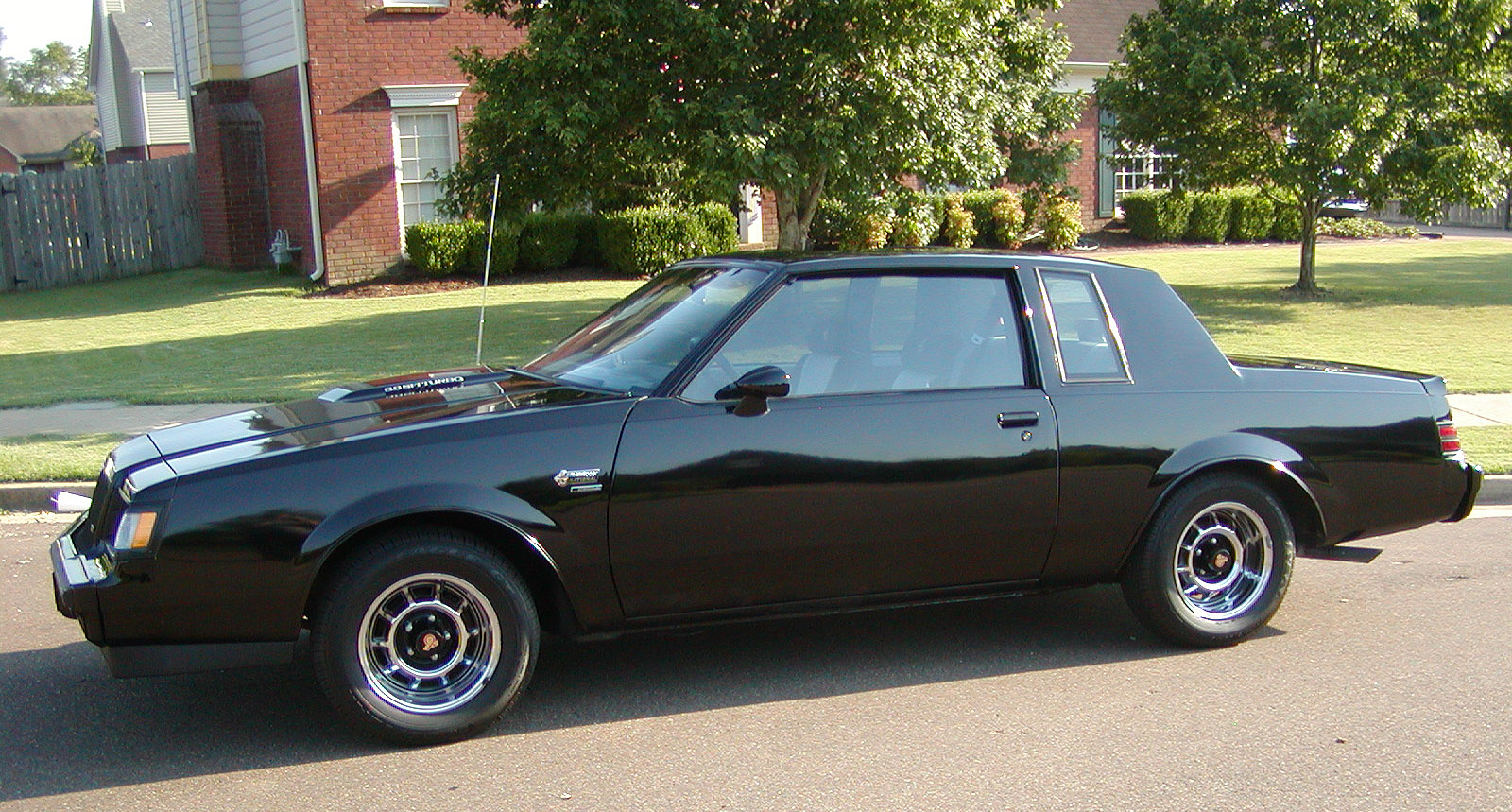
The story of the Buick Regal T-Type begins in the early 1980s, a period when Buick was looking to fuse refined luxury with emerging performance sensibilities. The T-Type badge, introduced in 1981 on the Buick Riviera, stood for “Touring,” and marked Buick’s serious foray into sportier, performance-oriented trims. But it was in 1983 when the Regal—already a staple mid-size coupe—received the T-Type treatment, pairing its sleek G-body silhouette with a turbocharged 3.8-liter V6. The Regal T-Type quickly became the backbone of Buick’s turbocharged sport-touring legacy, bridging the gap between ordinary Buick sedans and the more aggressive Grand National models.
The Many Types of Buick Regal — T-Type Trims, Colors & Interior
Over its production run, the Regal T-Type existed in a few distinct forms, each catering to different tastes. Initially, from 1983 through 1986, the T-Type was offered as a distinct performance package, meaning that a buyer opted not just for the turbo V6, but also for special suspension, wheels, and T-Type badging. In 1987, that all changed: Buick broke out the options, separating the powertrain from the cosmetic and handling parts, giving rise to a “T-package” that could be added independently.
In terms of exterior colors, the T-Type was quite versatile. While the Grand National often gets remembered for its all-black schema, the Regal T-Type could be ordered in most of the same colors as other Regals — even lighter shades. In fact, it was available in a wide variety of two-tone and single-tone liveries, giving buyers freedom beyond the all-dark look of its turbo siblings. For example, a limited “designer series” was introduced in 1986 (RPO code WH1) that came in a distinctive two-tone paint: black on the upper body, gray on the lower.
Inside the T-Type Regals, there were also a variety of interiors. Standard equipment included front bucket seats and a center console with a center console-mounted shifter, contributing to a sporty yet comfortable cabin. Upholstery often leaned toward darker tones, but depending on the year and trim options, you could find contrasting interior schemes. T-Type models also featured a leather-wrapped steering wheel, along with full instrumentation that included a tachometer and a turbo boost gauge—essential components for a turbocharged ride.
There was even one T-Type produced that was a total sleeper. With bench seats, a column shifter, and granny wheels/hub caps, the only thing that would give its true identity away is the "T" badge on the fender, and when it starts putting car lengths on you in a drag race. Some other rare t-types came with moon roofs or t-tops—just many more options and configurations than you had with a Grand National.

Drivetrain and Performance
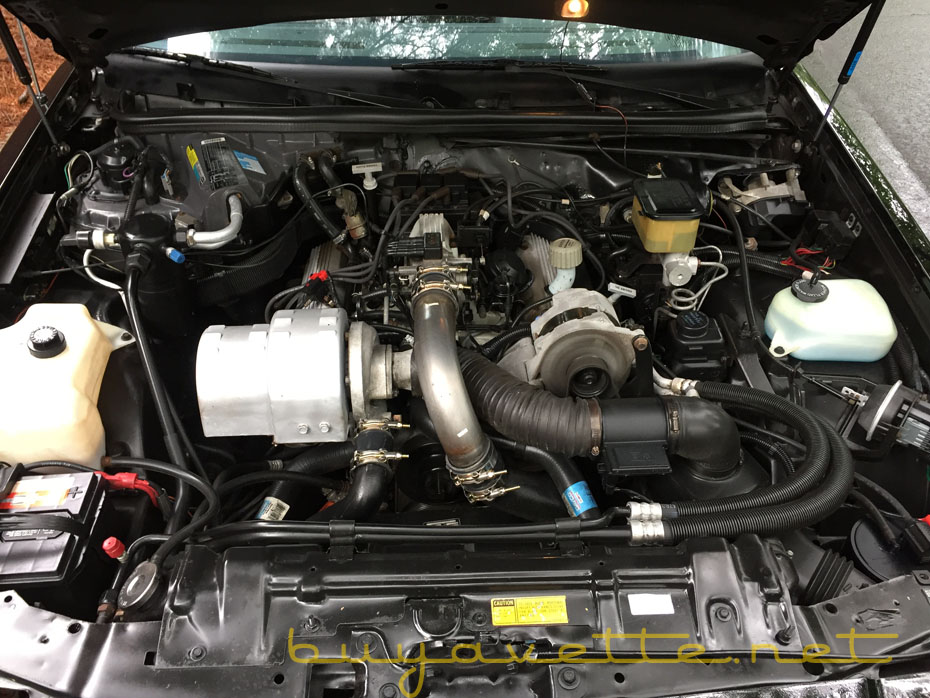
Under the hood, the Regal T-Type packed a serious punch for its era. From 1983 through 1986, the power came from Buick’s 3.8-liter turbocharged V6, initially carbureted and non-intercooled. The 1983 version produced around 190 hp and 280 lb-ft of torque, impressive numbers for the time. By 1984, Buick had upgraded to sequential fuel injection, boosting output to approximately 200 hp and 300 lb-ft.
In its later years, especially by 1986, the engine became even more potent, thanks to intercooling and improved tuning, producing up to 235 hp and a substantial 330 lb-ft of torque. Power was sent through a THM200-4R four-speed automatic transmission, paired with a 3.42:1 performance rear axle. To make sure all that power stayed manageable, the T-Type came standard with Buick’s Gran Touring suspension package, which featured stiffer springs, sport-tuned shocks, larger sway bars, and quicker-ratio steering—all helping the Regal handle more crisply than its more sedate siblings. And by most accounts, the T-Type was quicker than the Grand National by a little bit because it was lighter in curb weight. Thanks to this setup, the 1986 T-Type could sprint from 0 to 60 mph in the low-6-second range, putting it in surprising company for a non-V8 American car of the day.
Production Numbers (Buick Regal T-Type)
Here’s a breakdown of how many Buick Regal T-Types were built:
| 1983 | 3,732 |
| 1984 | 3,401 |
| 1985 | 2,100 |
| 1986 | 2,384 |
| 1987(1) | 8,547 (with the “T-package,” including Turbo-T, Regal Limited, WE4) |
(1)Note: By 1987, Buick had shifted from calling these “T-Types” to offering the T-package separately, so these numbers reflect a broader category than earlier years.

Modest Beginnings To A Modest Legacy
The Buick Regal T-Type may not command as much attention as its flashier Grand National or GNX siblings, but it holds a distinct and meaningful place in automotive history. It embodied Buick’s vision of a performance-luxury car—one that could carry passengers in comfort while quietly packing serious turbocharged muscle. With its combination of style, performance, and relative rarity, the T-Type remains a cherished classic for enthusiasts and collectors alike. Its legacy paved the way for Buick’s modern performance efforts and continues to resonate with fans of ’80s performance cars. Whether you’re drawn to its subtle blacked-out trim, its turbocharged heart, or the way it balances power and poise, the Regal T-Type is a reminder that performance doesn’t always have to look the flashy.