Summary:
Horsepower isn't everything. Building a fast car is about putting power to the pavement, not just bragging about engine output.
Modern performance cars have changed the game. Today's factory-built sports cars and muscle cars can deliver incredible horsepower and performance without extensive modifications.
More horsepower doesn't always mean a faster car. Traction, handling, and putting power to the ground can make all the difference.
Build a car for how you plan to use it. A street car, track car, and show car all have different priorities.
Know your limits. The right amount of horsepower is power you can enjoy, afford, and safely control.

Normal-sized LS engines, which are designed to move massive amounts of air and fuel, leave car enthusiasts with all kinds of options for upgrading other performance components to make their vehicles faster and more capable.
A tubbed-out, roll-cage-fitted vehicle with a massive supercharger sticking out of the hood may look fierce, but you might be surprised to watch a vehicle that appears mostly stock smoke the crap out of that wannabe race car.
When building a badass vehicle, it should be less about how much horsepower you plan to create and more about making sure you can successfully get that power to the wheels and then to the pavement.
500 Horsepower Before 1990
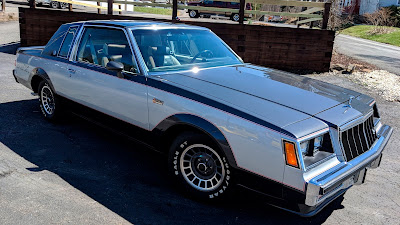
Sure, 500 horsepower has been possible since people started taking engines apart and putting them back together with the sole intention of making them go faster. But before the 1990s, having 500 horsepower in a daily cruiser, such as a 1980s Corvette, Camaro, or Mustang, just wasn't realistic for the average enthusiast.
That's not to say that 500 horsepower in a daily driver before 1990 never happened. For the most part, though, that kind of power was reserved for track use, short drives to car shows, or trailer queens. Driving back and forth to work every day or taking long road trips in a vehicle with 500-plus horsepower would have been pretty unusual in the late '80s, '70s, and '60s.
The New Age: Right-Off-the-Showroom-Floor Vehicles Are Plenty Fast
Finding a modern sports car with more than 300 horsepower is as easy as visiting your local dealership. Today's sports cars and muscle cars can deliver impressive performance right off the showroom floor, leaving many stock and modified '80s sports cars trailing behind.
The Corvettes, Camaros, Hellcats, Chargers, and Mustangs we see today can deliver serious horsepower and impressive quarter-mile times. Cadillac and many other automakers have also packed more performance into their vehicles than enthusiasts could have imagined back in the mid-'80s and early '90s.
If you had told me back in the '90s that a six-cylinder Camaro in the 21st century would keep up with a '90s LT1 Camaro and leave an '80s Z28 in the dust, I would have told you that you were crazy.
Well, maybe not.
My dad was a pro-Buick guy, so I attended plenty of Buick events while growing up and watched him race. In the early '90s, we started noticing turbocharged V6 Buicks lifting their front wheels off the ground and turning in 10-second timeslips. That's when we knew technology was about to change the game.
We never even bothered arguing the point with the Ford Mustang Fox-body crowd, though. They wanted to hear none of it. Ha, ha!
How Much Horsepower Is Too Much?
It really depends on your ambitions. Let's face it: If you want to go fast on a racetrack, you can build something with more power than a Top Fuel dragster. But that doesn't mean you're going to dominate the competition.
If you're building a car just for show, I think that's kind of silly, but to each their own. Sure, it's great to sit at a car show or drag strip and say, "Yep, my baby puts out 2,200 ponies."
But imagine a brand-new sports car pulling up next to you at a stoplight. It's quiet, looks completely stock, and then takes off like a rocket ship. Meanwhile, your loud, monstrous setup is gasping for massive amounts of air while sitting still, struggling to find even a little traction.
That seems kind of embarrassing, doesn't it?
How Much Horsepower Is Just Enough?
It all depends on what you plan to do with your vehicle. To me, the perfect amount of horsepower is enough to let me use and enjoy every bit of the power I paid for.
Have there been times when I've wanted more horsepower from some of my vehicles? Absolutely. But I also like to eat!
Having an extra boatload of horsepower under the hood that I'll never use doesn't seem worth it if my bank account is sitting at zero.
And there's something else to consider: Sooner or later, curiosity is going to get the better of you, and you'll want to find out what your vehicle can really do. If you discover that you, your car, or both can't handle it, you might end up with a vehicle wrapped around a tree.
At the end of the day, horsepower is only one part of the equation. Build a vehicle that fits your goals, puts its power to the pavement, and lets you enjoy what you've invested in. There's nothing wrong with chasing big numbers, but being able to use that power is what makes the experience worthwhile.