Sunday, July 3, 2022

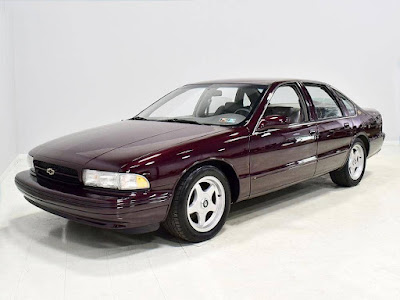
Modern Muscle Car: 94-96 Chevrolet Impala SS


96 Chevy Impala SS

Summary

  • 1994–1996 Chevy Impala SS — a full-size sedan with true 1990s muscle-car attitude.
  • 5.7L LT1 V8 producing 260 hp and 330 lb.-ft. of torque.
  • Rear-wheel drive, limited-slip differential, heavy-duty suspension, 12-inch disc brakes, and dual exhaust.
  • Comfortable enough for five, but capable of 0–60 mph in about 7 seconds.
  • The LT1 offered plenty of potential for aftermarket performance upgrades.
  • Only 69,758 were produced, making clean, original examples increasingly desirable.
  • A big, comfortable American cruiser with legitimate muscle-car DNA.
  • The Big and Bold
    These beautiful 94-96 Chevrolet Impala SS sport sedans were not in production long, but they did make a big impact in the Chevy lineup for a couple of years. What made this Caprice in disguise such a success was a Corvette 5.7-liter LT1 V8 engine added in with a few other upgrades.

    94-96 Impala SS
    • 260 Horsepower and 330 lb.-ft. of Torque
    • 4l60e Automatic Transmission
    • 3.08 Tall Rear Gear with a Limited Slip Differential
    • Lowered Heavy Duty Suspension from the Caprice Police Car Package
    • Performance-Oriented Shocks w/Semi-Stiff Anti-Roll Bars
    • 12-Inch Vented Disc Brakes
    • 0-60 in 7.0 Seconds and 15.0 Second 1/4 Mile Time @ 92-MPH Give or Take  

    Now, of course, that doesn't sound like much today, with V6 SUVs outperforming the big-bodied vehicle. But this 4,220-pound beast was considered pretty fast for its size 26 years ago. 

    The funny thing is the decision to go with the Caprice LT1 Impala combo came about because the original Caprice 4.6-liter engine was having a hard time making emission standards. The LT1 engine that was placed in the Corvette, Camaro, and Pontiac sports cars were doing fine passing emissions and smog regulations, and that's why it got the duties of lugging the Impala SS around.  

    Potential For More Power 

    Dropping the 4.6-liter and moving to the LT1 made the Impala SS even more like a muscle car. Since there was not a lot you could do in terms of upgrades to the 4.6-liter, the dud you got in the 93 and older Caprice, was the dud you got. The LT1 on the other hand offered plenty of room for upgrades. If you could get the upgrade for a Corvette, Camaro, Firebird, or Trans Am, chances are you could get it for the Impala. This opened up the door for easy upgrades from cold air induction and computer programmers to cam, heads, and nitrous. I'd go over all the upgrade options, but I figure you could use your imagination here.

    Four-Door Competition

    It was definitely faster than its American four-door competitors i.e. the Ford Taurus SHO and the Pontiac Bonneville SSEi. Moreover, it was $65,800+ cheaper than the Mercedes-Benz S500 and could accelerate faster, handle better, and match the Benz in braking abilities, all while sounding like true American Muscle. 

    Impala SS front seats


    What The Impala SS Had Its Sports Car Companions Didn't 

    That's easy, front bucket seats that made you feel like you were sitting on a sofa, a back seat where people even 6-feet tall and hefty could sit in comfortably, and a trunk you could neatly place a dead body in. 

    Impala SS rear seats


    The Impala's colors were limited. In 1994, you were only able to get one in Black, but '95 and 96-year models brought about a dark Cherry Red and a dark Green color. 
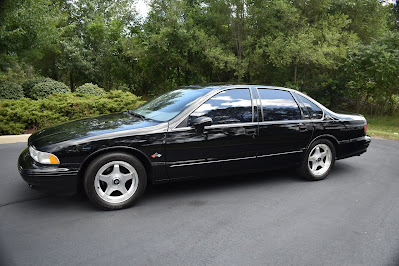
    Impala SS


    95-96 Impala SS


    Dark Green Impala SS


    There were also a few other differences about the 1994 Impala SS. There was a digital dashboard with no tachometer and a column shifter. When Chevrolet noticed the consumer's want for this vehicle in the muscle car capacity, they added in an analog dashboard with a tach and a floor shifter to add to the muscle car feel. 

    94 Chevrolet Impala SS


    95-96 Impala SS


    For all three years, the exterior sported special 17-inch 5-spoke rims wrapped up in large 255/50R-17 tires, a nice-sounding dual exhaust system was added with a rear spoiler, and deleted Caprice chrome. The stance, the sound, the power, and the name of it alone, Impala SS, made this disguised Caprice no longer a car you would expect a 90-year-old church-going lady to drive.  

    Driving Impala SS


    Taking One For A Ride

    I've taken a few for a ride here and there working at a dealership. They're not that fast, but one thing they are is a little surprising. You just don't think a 94-96 Caprice with special SS Impala badges is going to offer you so much.

    The Impala gives you more than enough throttle response to get the big, long sedan in the passing zone and go. It also gives you plenty of comforts, from the leg and headroom to the soft suspension that performs well but still gives you a ride that reminds you of your grandpa's unmolested Lincoln. 

    And no, there is no media center, cell phone connectivity, or sophisticated driver assist safety functions that allows you to disregard paying attention to the road. These Impala SS big-bodies are true cruising cars. A car that you can shine up, hit the road, listen to the muffles humm, and get a few looks of envy from drivers in their cookie-cutter trucks and crossovers. 

    94-96 Impala SS for Sales


    Purchasing A 94-96 Impala SS   

    With 69,758 Impala SS sports sedans produced between 94-96, they are not the rarest cars in the world. But a lot of them are stored away in garages as their value goes up. If you're looking to purchase one of these modern Impala SS muscle cars, your best option is to look out for one that has low miles and has little to no upgrades. Some of these cars have been heavily modified, and some have been around the block a time or two. 
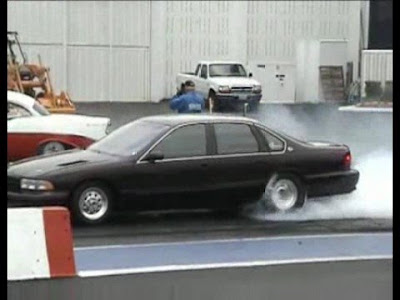
    SS Impala at the track


    Look for rust in the usual places, signs of years of abuse, aftermarket hacked stereo systems and suspension components, and beat-up interiors. Some of these cars may still have potential, but it would depend on how much money you want to put into them. There are still plenty of good ones out there that have been well-taken care of and can offer you a fun and cool multi-purpose Hot Rod!  


    Sunday, May 1, 2022

    1982 Buick Grand National: History, NASCAR, And '80s Performance

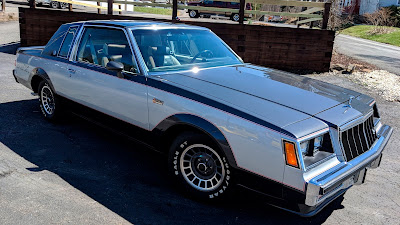
     1982 Buick Grand National


    Although almost everyone you ask will tell you, there is no such thing as a true Buick Grand National that was not all "Black", the fact is, they'd be wrong! 

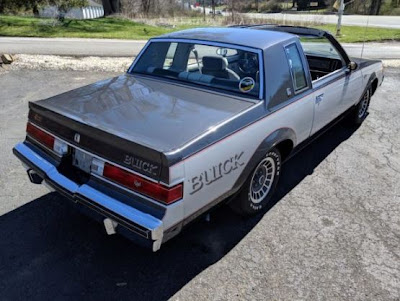
    They might also tell you there's no such thing as an '82 Grand National, that would also be wrong! The first Grand National was actually born in 1982; it was charcoal grey and silver and has a pretty cool little story to it.

    The Birth Of Something That Would Soon Become A Legend 

    Back in 1981, Buick took to the main stage at NASCAR with their G-Body Regal. A few Regals made their debut in California at the Riverside International Raceway. But it was in Daytona, the second week of the season, where the tides changed for the Regal and set the way for Buick and the G-Bodies in NASCAR for quite a while. 


    Richard Petty Wins Daytona 500 In A Regal

    For a record-setting 7th time, Petty takes the checkered flag, but this time in a Buick Regal. This win broke a long drought of 16 years since someone drove across the finish line at a NASCAR event in a Buick. It was last done by Herb Thomas, who did it in 1955 in a '55 Buick Century. 

    Record-Breaking Year For Buick In NASCAR 

    Throughout the season, a Buick Regal would cross the finish line first in 22 out of 31 events with just five different Buick Drivers—Petty, Boddy Allison, Ron Bouchard, Cale Yarborough, and Darrell Waltrip. In the end, Waltrip would bring home the championship title for his team and Buick.

    These efforts brought the NASCAR Manufacturing title home to the Flint, Michigan plant that had been pumping out those Regals since 1978. 

    The new sporty image and the accomplishments at NASCAR that followed prompted Buick to take full advantage of the newfound "This Isn't Your Grandma's Car" image and run with it. 

    1982 Buick Grand National Flyer


    In December 1981, Buick announced that a "Special Edition" Regal was going to be unveiled in the first week of the NASCAR season. This just so happened to be the first time the Daytona 500 would be set for the first race of the season, and is now a staple in NASCAR racing to this day. The Daytona week is like the Super Bowl of NASCAR and prime time for anything special, especially for automotive manufacturers that want to show off something new. 
     

    Buick And NASCAR Copyright Issues

    Buick went ahead and already named their "Special Edition" Regal the "Grand National", the only problem was that NASCAR already had the copyrights to the name—NASCAR Winston Cup Grand National Series—so NASCAR sued. After some legal wrangling, Buick kept the name but changed the nameplate to the recognizable one everyone knows today—a big turbo-6 on the right side of the emblem, the words "Grand National" stacked on top of each other, and a checkered flag on the left side of the emblem. 

    1982 Daytona 500

    Daytona 500 Week 1982

    Now whether or not the Grand National was ever actually unveiled at the 1st Daytona week, no one seems to really remember. Many think it never made it, largely because of the ongoing legal dispute with NASCAR, but regardless, the "Special Edition" prototype GN was done. 

    Not only was the Grand National project moving forward for Buick, but on Feb 14, the day of the Daytona 500, 25 of 42 cars lined up as Buick Regals, and 7 of 10 of them were in the top 10 positions. The race ended just about the same way it started, with Allison winning in his Buick Regal, followed by three other drivers driving Buick Regals. The success continued for Buick throughout the season, and so did production on the Buick Grand National. 

    1982 Buick Grand National


    1982 Buick Grand National: What Was Special 

    Was the first Buick Grand National fast? By today's standards, not at all! In fact, most soccer Moms' crossovers would take the '82 Grand National out pretty easily. But in 1982, it's sad to say; this V6 would beat most factory V8s on the road, at the same time looking cooler than most of them.

    When I say V6, you're probably thinking of the turbo 3.8-liter that Grand Nationals are known for, but this first GN was a little different. The '82 Grand National came with a 4.1-liter V6 that ran through a 4-barrel quadrajet carburetor naturally aspired. This fun combination would get you a whopping 125 horsepower and 205 lb.-ft. of torque. 

    1982 Buick Grand National Engine


    There were a few buyers out there that had inside information about the soon-to-be-famous 3.8-liter turbo engine combo, and checked the right boxes on the order sheet. This combo would get the buyer 175 horsepower and 290 lb.-ft. of torque.

    Heading Off For Special Treatment 

    All soon-to-be Grand Nationals rolled off the assembly line as normal Buicks and then were shipped off to Cars and Concepts in Auburn Hills, MI, where they received their Grand National treatment. They were all done in Charcoal Gray exterior paint and grey interior but weren't all based on the same Regal. Some base Buick Regals were sent to Cars and Concepts, but so were some Limited and Sport coupe Regals. So for a collector on the hunt for a legitimate one, there are a few different real options out there (do your research). 

    1982 Buick "Grand National" Special Edition Upgrades  

    • 215 made plus on prototype
    • 4.1-liter V6 naturally-aspired or (roughly) 20 3.8-liter V6 turbocharged
    • 125 horsepower (4.1) or 175 horsepower (3.8 turbo)
    • 205 lb.-ft. of torque (4.1) or 290 (3.8 turbo) 
    • Automatic transmission
    • Heavy-duty engine and trans coolers
    • 3.23:1 rear gear (4.1) or 3.03:01 (3.8)
    • F41 Grand Touring Suspension

       1982 Buick Grand National Interior


    Cosmetic Upgrades
    • Silver stripe in the middle of the charcoal grey paint (hand-laid) red pinstriping separating the Colors (hand-laid) 
    • Big Buick letters on the back quarter panels and on the back decklid lip

    • Blacked-out grille and headlamp door covers
    • Special Edition rally wheels w/Buick center caps
    • Front bucket seats w/black leather inserts throughout the whole interior
    • Leather-wrapped steering wheel
    • Center console w/shifter
    • Special Grand National gauge cluster 
    • Special Grand National badging on exterior and interior

    1982 Buick Grand National Gauge Cluster

    It's hard to find these cars in good shape. One of the biggest problems they had was through the years, their lack of power left a lack of enthusiasm to keep them running and looking good. The usual rust invades the lower doors and quarter panels in the usual places, and their interiors are commonly faded and torn from sun damage due to T-tops (some had sunroofs instead).  

    But these Grand Nationals can still be considered collector items thanks to their history and the lack of numbers produced. You could say they started a mid-to-late-'80s revolution of more desirable cars for the auto enthusiast, not to mention they paved the way for the '80s most famous muscle car, the 1986 and '87 Grand National.   

    1982 Buick Grand National


    How Expensive Were They?

    The Grand Nationals weren't as expensive as buying a Corvette, but spending extra cheese on a Buick was something people didn't do much of since the muscle days. With a Regal sticker price of $8,702, you would have to cough up another $3,278 for the Grand National packages and about another $1,000 more if you ordered the turbo 3.8-liter version. With America in a recession at the time, that was a lot of money, and Buick's most expensive styling and performance package it ever sold. 

    1982 Buick Grand National 

    All and all, if you found one in good shape, it would be worth buying a 1982 Grand National just to preserve it. And if you found a 1983 Grand National, I have a bridge to sell you because there were no Grand Nationals made in '83. 

    Sunday, December 26, 2021

    '57 Chevy: One Of The Most Influential And Iconic Cars Of All Time!


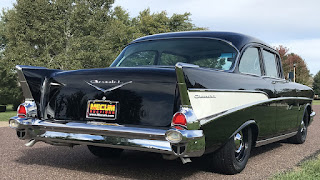
    '57 Chevy Bel Air

    Summary

    • A dramatic redesign: Chevrolet's 1957 models brought distinctive styling changes, including prominent chrome trim, tailfins, and a more recognizable profile.

    • Something for everyone: The lineup included several trim levels and body styles, from budget-friendly models to the upscale Bel Air and the iconic Nomad.

    • Performance under the hood: Buyers could choose from inline-six and V8 engines, including the high-performance 283-cubic-inch V8 and an optional fuel-injection system.

    • Ahead of its time: Options such as power steering, power brakes, air conditioning, and the Automatic-Eye headlight-dimming system added comfort and convenience.

    • A collector-car legend: Although Ford outsold Chevrolet in 1957, the '57 Chevy eventually became one of the most recognizable and sought-after American classic cars.


      57 Chevy Tailfin


    How Did The 1957 Chevy Come About?

    It all started with Chevrolet's need for change. For the first time since 1918, Chevrolet was ready to offer a V8 in its 1955 passenger cars. With the introduction of that V8, Chevy thought it was time to ditch the shoebox look it had been using and try something different.

    Chevrolet chief designer Ed Cole wanted to get rid of the shoebox look by 1956 and introduce an entirely new design for 1957. Unfortunately, things didn't go as planned, and the new look never launched as originally intended. That forced Cole and the design team to make do with the existing styling for another year, although significant changes were still on the way.

    To help differentiate the '57 Chevy from the '55 and '56 models, Cole brought in Harley J. Earl, a famous automotive designer. Earl already had several major styling successes under his belt, designs that not only worked out for General Motors but also influenced the automotive world as a whole. 


    The changes Earl was making to the '57 Chevy would be widely ridiculed by his coworkers, automotive experts, and just about anyone who couldn't see his vision the way he did.

    '57 Chevy Dramatic Transformation

    '57 Chevrolet

    Some of the changes included a new dashboard, a reshaped windshield, a sealed cowl, and 15-inch wheels to replace the previous 16-inch wheels.

    Earl also incorporated distinctive headlight surrounds and air intakes into the front-end design, giving the car its big, unmistakable chrome look. Then came the iconic rear quarter-panel fins, which helped give the Chevy a longer, lower appearance that enthusiasts still recognize today.


    1957 Chevy Fuel Injection


    Other intriguing changes for 1957 included a redesigned front end, a larger engine bay, and new drivetrain options. Chevrolet also offered a fuel-injection system and several automatic transmission choices.

    Dual exhaust was available with certain V8 configurations, adding both performance potential and the unmistakable sound that enthusiasts loved.

    In commercials, magazine ads, and on billboards, Chevy's motto was always the same: "Chevy Puts the Purr Back Into Performance."


    1957 Chevy; New York Times


    A 1957 Chevrolet Coupe And Convertible For Everyone

    Different trim levels helped make the car affordable for the average family while offering enough style and luxury for those who wanted something a little more upscale.


    Trim Models Were As Followed:

    Base: 150 Series
    '1957 Base 150 Series

    The 150 was Chevrolet's entry-level passenger car, designed for buyers who wanted dependable transportation without paying for unnecessary extras.


    Base: 210 Series
    '57 Chevy Based 210 Series


    The 210 sat a step above the 150, offering additional trim and comfort while remaining relatively affordable.


    Del Ray: 210 Series
    '57 Chevy Del Ray 210 Series


    The Del Ray was a more distinctive, budget-conscious two-door model within the 210 lineup, featuring its own interior and trim treatments.


    Base: Bel Air
    '57 Chevy Bel Air


    The Bel Air was Chevrolet's more upscale series, with additional styling details and a more luxurious appearance.


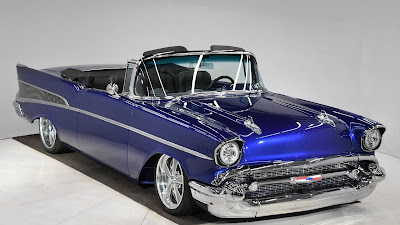
    Convertible: Bel Air
    1957 Chevy Convertible Bel Air


    For buyers who wanted open-air motoring with classic '50s styling, the Bel Air convertible was one of the most eye-catching choices in the lineup.


    Nomad: Bel Air (station wagon)
    1957 Chevy Nomad Bel Air


    The Nomad combined station-wagon practicality with distinctive styling, making it one of the most recognizable members of the 1957 Chevrolet family.


    El Morocco: custom hand-built to mimic a Cadillac
    1957 El Morocco


    The El Morocco was a custom-built automobile based on the Chevrolet, designed to give buyers Cadillac-inspired styling without purchasing an actual Cadillac.

    Each series offered different body styles and equipment combinations. The base 150, particularly when equipped with an inline-six, was an attractive option for consumers on a budget. It also offered better fuel economy than the V8 models in many configurations.

    As you moved up the lineup, you generally gained more comfort, trim, and luxury—and, of course, a higher price.

    The Bel Air and Bel Air convertible became especially popular with collectors. Today, the '57 Chevy is one of those cars that enthusiasts love regardless of their brand loyalties. Even if you're not a Chevy fan, chances are you've wished you had a '57 Chevy at one point or another.


    Choose Your '57 Chevy Options

    Each model could be ordered with options to make the car more comfortable and luxurious. Some of those options included air conditioning, power brakes, power steering, a padded dashboard, power windows, and power seats.

    Color combinations and chrome trim packages provided another way for buyers to show off their impeccable taste in automobile selection.

    A signal-seeking radio with a power antenna was also available, along with an optional rear speaker. Back then, having sound coming from more than one speaker was about as close as many drivers got to what we'd call a more immersive audio experience today.

    The Automatic-Eye was another interesting option. Mounted on the dashboard, this device detected approaching traffic and automatically dimmed the headlights when necessary. That was high-tech stuff for 1957!


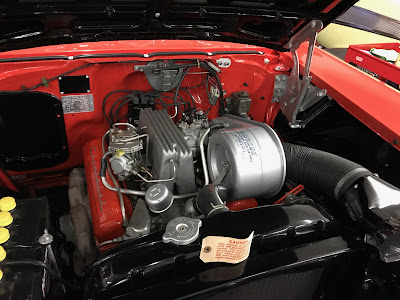
    '57 Chevy Engine Bay


    Performance: More Than Just Good Looks

    One of the things that helped make the '57 Chevy so desirable was its performance potential. The engine bay offered room for a range of engine configurations, and the car became a popular platform for enthusiasts who wanted to go faster.

    As drag racing grew in popularity, the ability to modify these cars and install more powerful engines made them especially appealing to the go-fast crowd. Over the years, enthusiasts have fitted plenty of larger engines into '57 Chevys, often turning them into serious street machines and drag-strip contenders.

    Even without a larger engine swap, buyers could get respectable performance by choosing one of Chevrolet's more powerful 283-cubic-inch V8 options.

    The available high-performance combinations included four-barrel carburetion and dual exhaust, while the fuel-injected 283 became one of the most memorable engine options of the era.


    Fuel-Injection '57 Chevy


    The Fuel-Injected 283

    Although Chevrolet's fuel-injected 283-cubic-inch V8 could produce an impressive one horsepower per cubic inch in its highest-rated configuration, the option was unfamiliar territory for many buyers.

    Fuel injection was still relatively new to mainstream American passenger cars, and some owners and mechanics weren't comfortable working on the system. For someone planning to modify or race a '57 Chevy, a carbureted setup might have seemed like the more practical choice because it was easier to understand and service.

    The fuel-injected models were nevertheless an important milestone in Chevrolet performance history and remain especially interesting to collectors today.

    Ford Outsold Chevrolet in 1957

    Here's an interesting twist: despite the '57 Chevy's legendary reputation today, Ford's 1957 models outsold Chevrolet that year.

    Maybe some consumers weren't sold on Chevrolet's bold chrome front end and prominent rear fins. Maybe the rapidly evolving technology, including fuel injection and newer transmission options, made some buyers cautious. Or perhaps Ford simply offered a package that appealed to more people at the time.

    Whatever the reasons, history took an interesting turn. By the 1980s, the '57 Chevy had become a highly desirable collector car, and its reputation has continued to grow among classic-car enthusiasts.


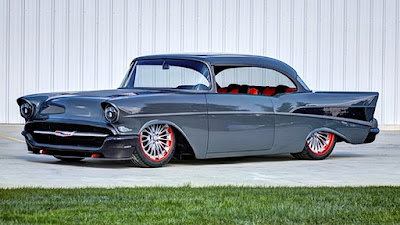
    '57 Chevy Custom


    Worth Every Penny

    Nowadays, a meticulously restored '57 Chevy Bel Air can command $100,000 or more, depending on its condition, originality, body style, and specifications. A convertible in comparable condition can bring an even higher price.

    However, if you're thinking about buying one, be careful—and consider seeking professional help before making a purchase. There are plenty of replicas, modified cars, and vehicles represented as something they're not, so it can be easy to get fooled if you don't know what to look for.

    A little research and a thorough inspection can go a long way toward making sure the classic Chevy you're buying is the real deal.


    Saturday, September 18, 2021

    TV Tommy Ivo Four-Engine Buick Dragster Heads to Auction


    TV Tommy Ivo 4 Engine Buick Dragster

    Summary

    • A unique piece of motorsports history: TV Tommy Ivo's legendary Showboat dragster featured four Buick 401-cubic-inch Nailhead V8 engines and an all-wheel-drive setup.

    • From Showboat to Masterwagon: Originally built as a four-engine slingshot dragster, the vehicle was later fitted with a custom Buick body and renamed the Masterwagon.

    • A legendary entertainer and racer: Ivo was a television and movie star, singer, dancer, and radio personality who chose racing despite pressure to focus on his entertainment career.

    • A record-setting racing career: Ivo helped push drag racing forward with multiple-engine setups, record-setting speeds, and memorable exhibition runs.

    • A rare collector's piece: The Masterwagon has a fascinating history, including its final exhibition appearances and a planned appearance at a Mecum auction.


    TV Tommy Ivo's Four-Engine Buick Dragster

    Talk about a piece of motorsports history! Coming from a Buick family makes this wild Buick dragster even cooler to me. Featuring a Buick Riviera front end and a Roadmaster station wagon-inspired rear body, this exhibition dragster houses four Buick 401-cu.-in. Nailhead V8 engines.

    The rare, all-wheel-drive dragster, originally raced by the famous "TV Tommy Ivo", was scheduled to be auctioned off in January at the Mecum auto auction in Kissimmee during an eight-day event.

    The history behind TV Tommy Ivo and the Wagonmaster is extensive. Before Tommy Ivo sold what was then called the "Showboat" dragster to Tom McCourry, it looked like a conventional slingshot dragster, albeit one powered by four engines.

    Showboat Dragster - TV Tommy Ivo


    From Showboat to Masterwagon

    To keep the exhibition interest alive for the Buick dragster, McCourry had a handcrafted Buick body fitted to the slingshot chassis and called it the "Masterwagon." Eventually, it was sold back to TV Tommy so he could take it on its final stretch of exhibition work, which ended in 1996 at the Goodguys Hot Rod Nationals in Indianapolis.


    TV Tommy's name had a reason behind it, he was actually a TV star, movie star, singer, dancer, and radio personality. When told by his producers that he had to stop the racing and focus on his entertainment career, TV Tommy chose "Racing" instead. 


    TV Tommy

    Who Was TV Tommy Ivo?

    TV Tommy's nickname had a good reason behind it. He was a television star, movie star, singer, dancer, and radio personality. When his producers told him he had to stop racing and focus on his entertainment career, TV Tommy chose racing instead.

    Some of TV Tommy Ivo's Greatest Racing Accomplishments

    • First to succeed with Buick power.

    • First to succeed with dual-engine setups, setting records at 170, 175, and 180 mph.

    • First to succeed with quad-engine setups.

    • First to break the nine-second barrier with a dual-engine dragster.

    • First to break into the seven-second and five-second quarter-mile barriers.

    • Made the first side-by-side seven-second pass against Don "The Snake" Prudhomme.

    • Joined other racers in bringing drag racing to England for a six-event exhibition.

    • Inducted into the Motorsports Hall of Fame of America in 2005.

    Masterwagon: Car Facts (Mecum)

    • Original Showboat slingshot dragster.

    • Built by TV Tommy Ivo.

    • The Showboat debuted on July 23, 1961, at San Fernando Drag Strip.

    • The Showboat was converted into the Wagonmaster in 1981.

    • Served as the 30th-anniversary and final-tour car in 1982.

    • Made its last competitive run at the 1982 World Finals at Orange County Raceway.

    • Made a vintage run at the July 1996 Goodguys Nostalgia National at Indianapolis Raceway Park.

    • Four Buick Nailhead 401-cu.-in. V8 engines.

    • The Nailhead V8s essentially form two V16 engines.

    • More than 1,500 cubic inches of total displacement and more than 2,000 horsepower.

    • Four-wheel drive, with two engines driving the front wheels and two driving the rear wheels.

    • Black, orange, and red exterior.

    • Black interior.

    • Roll cage.

    • Chrome side-exhaust stacks.

    • Parachute.

    • Luggage rack.

    • First-ever escape hatch.

    • Two specially chromed front wheels.

    • Cragar rear wheels.

    • Formerly owned by Norm Day.

    • Featured as the centerfold car in the September 2012 issue of Hot Rod Deluxe magazine.

    • Sold on a bill of sale.


    The Masterwagon Heads to Auction

    The "Masterwagon" was scheduled to be sold on the eighth and final day of the Mecum auction event, alongside more than 300 other consignments.

    The "Masterwagon" is the original "Showboat" slingshot dragster, authenticated with an autograph from TV Tommy himself. His message to the future owner says it all:

    "Take Care of My Baby."

    Rare 1982 Buick Grand National—The Only Year It Wasn't All Black

      Summary The 1982 Buick Grand National was the first Grand National , and it wasn't black—it came in charcoal gray and silver . Buick...