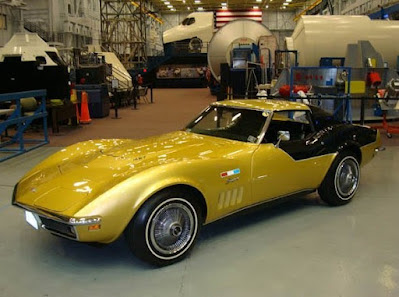
Few cars have shaped American performance culture quite like the Chevrolet Camaro. From drag strips and road courses to Hollywood movies and late-night street races, the Camaro has remained one of the most respected names in the muscle car world.
Here’s a look at some of the most legendary Camaros ever built and why enthusiasts still obsess over them today.
1967 Camaro — The Beginning of a Legend
The first-year Camaro instantly gave Chevrolet a serious competitor in the pony car wars. Designed to battle the Ford Mustang, the 1967 Camaro arrived with aggressive styling, endless engine options, and a performance attitude that immediately connected with young enthusiasts.
What made the ’67 Camaro so important was its versatility. Buyers could build anything from a stylish cruiser to a street-dominating big-block monster. It became the foundation for decades of Camaro performance and helped launch Chevrolet into a new era of muscle car dominance.
Performance Highlights
-
Available inline-six and V8 engine options
-
Optional 396 cubic-inch big-block V8
-
Aggressive long-hood, short-deck styling
-
Excellent aftermarket support even today
-
One of the most customizable muscle cars ever built
1969 Camaro Z/28 — Road Racing Royalty
The 1969 Chevrolet Camaro Z/28 is one of the most respected muscle cars in history. Originally built to compete in Trans-Am racing, the Z/28 focused less on straight-line drag racing and more on handling, balance, and high-revving performance.
Its legendary 302 small-block V8 became famous for screaming RPMs and race-inspired engineering. Today, the ’69 Z/28 is considered one of the most collectible Camaros ever produced and remains a symbol of Chevrolet performance.
Performance Highlights
-
High-revving 302 cubic-inch V8
-
Four-speed manual transmission
-
Improved suspension tuning
-
Front disc brakes
-
Inspired directly by Trans-Am racing
COPO 427 Camaro — The Factory Drag Racer
The COPO Camaro was Chevrolet’s secret weapon during the peak muscle car era. Officially, GM restricted engine sizes in midsize and pony cars, but clever dealers found a loophole through the Central Office Production Order system.
The result was a brutally powerful Camaro stuffed with the monstrous 427 big-block V8. These cars became legends at drag strips across America and are now among the rarest and most valuable Camaros ever built.
Performance Highlights
-
Massive 427 cubic-inch big-block V8
-
Built specifically for drag racing
-
Extremely limited production numbers
-
Lightweight performance-focused setup
-
Serious collector value today
Yenko Camaro — Dealer-Built Muscle Madness
The Yenko Camaro became legendary thanks to performance dealer Don Yenko, who transformed Camaros into street-legal race cars. Yenko Camaros packed brutal horsepower and aggressive styling that terrified competitors on both the street and strip.
These cars became icons because they represented the wild west era of American horsepower before emissions regulations and insurance crackdowns changed everything.
Performance Highlights
-
Tuned 427 big-block power
-
Performance suspension upgrades
-
Distinctive Yenko striping and badging
-
Extremely rare production numbers
-
One of the most collectible dealer muscle cars ever
1969 Camaro ZL1 — The Unicorn Camaro
The 1969 Chevrolet Camaro ZL1 is often considered the holy grail of Camaros. Only a handful were built, making it one of the rarest and most expensive muscle cars ever produced.
Its all-aluminum 427 engine delivered outrageous performance for the era. The ZL1 shocked the automotive world by combining lightweight construction with race-ready horsepower.
Performance Highlights
-
All-aluminum 427 V8
-
Factory-built drag racing monster
-
Ultra-lightweight engine design
-
Extremely low production numbers
-
Six-figure collector car status
1970–1973 Split-Bumper RS/SS — Peak Camaro Styling
The second-generation Chevrolet Camaro RS/SS introduced smoother body lines, better handling, and arguably the most iconic Camaro front-end design ever created.
The split-bumper setup became an instant classic and helped define 1970s Camaro styling. These cars balanced muscle car aggression with sports car-inspired handling characteristics.
Performance Highlights
-
Distinctive split front bumper design
-
Available big-block and small-block V8s
-
Improved chassis balance
-
Better cornering than earlier Camaros
-
One of the most recognizable Camaro designs ever
1970½ Camaro — The Handling Revolution
The 1970½ Camaro represented a major shift in Chevrolet engineering philosophy. Instead of focusing only on straight-line speed, Chevrolet developed a car that could genuinely compete in corners.
This Camaro earned respect because it blended muscle car power with true sports car handling. Many enthusiasts still consider it one of the best-driving classic Camaros ever made.
Performance Highlights
-
Improved suspension geometry
-
Better weight distribution
-
Enhanced steering feel
-
Aggressive low-slung body design
-
Strong small-block and big-block engine options
1985–1990 IROC-Z — The King of the 1980s
The Chevrolet Camaro IROC-Z became the ultimate symbol of 1980s performance culture. Named after the International Race of Champions series, the IROC-Z combined bold styling with improved handling and fuel-injected V8 power.
For an entire generation, the IROC-Z was the dream street machine. It dominated posters, music videos, and cruising scenes everywhere.
Performance Highlights
-
Tuned Port Injection V8 engines
-
Lowered performance suspension
-
Distinctive ground effects and wheels
-
Improved aerodynamics
-
One of the hottest performance cars of the 1980s
1996 Camaro SS — Modern Muscle Returns
The 1996 Chevrolet Camaro SS helped bring serious performance back to the Camaro lineup during the 1990s. Built with help from SLP Engineering, the SS package added more power, aggressive styling, and improved exhaust performance.
It represented the rebirth of modern Chevrolet muscle and became a favorite among street racers and performance enthusiasts.
Performance Highlights
-
LT1 V8 performance
-
Functional hood scoop design
-
SLP performance upgrades
-
Strong acceleration capabilities
-
Aggressive fourth-gen styling
1998 Camaro SS — LS1 Power Changed Everything
The 1998 Chevrolet Camaro SS introduced the legendary LS1 engine platform to Camaro fans. This lightweight aluminum V8 transformed the Camaro into one of the fastest American performance bargains of its era.
The LS platform would go on to become one of the most influential performance engine families ever created.
Performance Highlights
-
LS1 aluminum V8 engine
-
Massive aftermarket tuning potential
-
Excellent power-to-weight ratio
-
Strong drag racing reputation
-
Affordable high-performance platform
1998 Camaro SS — LS1 Power Changed Everything
The 2002 Chevrolet Camaro SS 35th Anniversary marked the end of Camaro production before its temporary discontinuation. Enthusiasts immediately recognized these cars as future collectibles.
This generation closed the chapter on classic rear-drive F-body performance before the Camaro disappeared for several years.
Performance Highlights
-
Special anniversary appearance package
-
LS1 V8 performance
-
Collector-focused production
-
Strong performance value
-
Final year of fourth-generation production
2014–2015 Camaro Z/28 — The Track Monster
The modern Chevrolet Camaro Z/28 revived the legendary Z/28 name with an all-out track-focused mission. Inspired partly by the aggressive heritage of the 1969 Z/28 and boosted by Camaro popularity from the Transformers films, this Camaro became an instant icon.
Instead of focusing purely on horsepower numbers, Chevrolet engineered the Z/28 to dominate road courses with incredible suspension tuning, aerodynamics, and braking performance.
Performance Highlights
-
Naturally aspirated 7.0L LS7 V8
-
Track-focused suspension tuning
-
Massive carbon-ceramic brakes
-
Extreme aerodynamic package
-
Nürburgring-tested performance
2016–2024 Camaro ZL1 1LE — The Ultimate Camaro
The Chevrolet Camaro ZL1 1LE represents the absolute peak of factory Camaro performance. Combining supercharged power with race-ready handling, the ZL1 1LE became one of the fastest American cars ever produced.
Its track capability shocked the automotive world by outperforming exotic sports cars costing far more money. Many enthusiasts consider it the greatest Camaro ever built.
Performance Highlights
-
Supercharged 6.2L LT4 V8
-
Over 650 horsepower
-
Advanced aerodynamic package
-
Multimatic DSSV suspension
-
Extreme track-day capability
-
Nürburgring-level performance engineering
All Good Things Must Come To An End
The Camaro legacy stretches across generations of American performance culture. Whether it’s a rare big-block drag car, a road-racing Z/28, or a modern supercharged track weapon, every era of Camaro brought something unique to the muscle car world.
From the streets of the late 1960s to modern racetracks, the Camaro remains one of Chevrolet’s greatest performance achievements and one of the most beloved American cars ever created.


.jpg "1960s Muscle Cars")