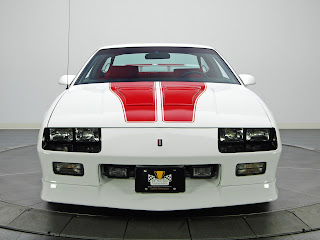
Production: Approximately 201 cars, including one prototype.
Engine: 396-cubic-inch Mark IV Turbo-Jet V8.
Horsepower: 375 hp at 5,600 rpm.
Torque: 420 lb-ft at 3,600 rpm.
Transmission: Muncie four-speed manual.
Drivetrain: Rear-wheel drive.
Body style: Two-door hardtop.
Performance: The 396 put the power that consumers wanted into a mid-size sedan
Estimated collector value: Big-time auctions can see these cars in great condition go for around $200,000, with recent auction sales proving they're holding or increasing in value.
Historical significance: The Z16 helped introduce Chevrolet's big-block performance power to the midsize Chevelle lineup.

Why Was It Time For The 1965 Chevrolet Chevelle To Bring Out The Big Guns?
During the 1960s, American automakers were competing to build vehicles that combined everyday practicality with the excitement of high-performance driving. Chevrolet entered the midsize market with the Chevelle in 1964, offering buyers a versatile alternative to larger full-size cars and smaller compact models.
The Chevelle was designed to appeal to a broad audience. Families could purchase a practical sedan or station wagon, while buyers seeking something sportier could choose a two-door coupe or convertible. A selection of six-cylinder and V8 engines also allowed customers to decide how much performance they wanted from their new Chevrolet.
However, the muscle car market was developing rapidly. Pontiac had already demonstrated the appeal of combining a midsize body with a powerful V8 through the GTO, and Chevrolet needed a compelling answer.
That answer arrived in 1965 with the Chevrolet Chevelle Malibu SS 396 Z16.
The Z16 was an extraordinarily rare performance package that combined a 375-horsepower big-block V8 with a four-speed manual transmission, upgraded suspension, improved braking hardware, and an unusually generous collection of comfort and convenience features.
With only approximately 201 examples commonly cited, the Z16 became one of the rarest factory-built Chevelles ever produced. More importantly, it helped establish the foundation for the 396-powered Chevelle SS models that followed in 1966.
The Z16 was not simply an ordinary Chevelle with a bigger engine. It was an early demonstration of what Chevrolet could accomplish when it combined midsize-car practicality with serious big-block performance.
Trim Options Were Key For The 1965 Chevrolet Chevelle
Chevrolet offered several Chevelle series in 1965, ranging from basic transportation to more upscale and performance-oriented models.
Chevelle 300: The entry-level model, emphasizing affordability and practical transportation.
Chevelle 300 Deluxe: Added trim and equipment over the base 300.
Chevelle Malibu: A more upscale series available in several body styles.
Chevelle Malibu SS: The sport-oriented model featuring distinctive SS styling, bucket seats, and other upgraded options.
Chevelle Malibu SS 396 Z16: The rare, high-performance package featuring the 396-cubic-inch V8 and specialized chassis upgrades.
The Z16 was built around the Malibu SS sport coupe rather than an entirely separate body design. Its high-performance powertrain setup, performance chassis components, and extra upgraded equipment distinguished it from the other Chevelles in the lineup.

The Significance of the 396: The Powertrain That Started Chevelle's Muscle Dominance
The 1965 Chevelle offered several engine choices, including inline-six engines and small-block V8s. Depending on the configuration, buyers could select a 283-cubic-inch V8 or one of several 327-cubic-inch engines.
The high-performance 327 was already capable of producing as much as 350 horsepower in the appropriate configuration. However, Chevrolet's new big-block 396 brought a different level of torque and performance potential to the midsize platform.
The 396-Cubic-Inch Turbo-Jet V8
The Z16 received a specially specified 396-cubic-inch Mark IV Turbo-Jet V8 rated at 375 horsepower and 420 lb-ft of torque. Its 11.0:1 compression ratio helped deliver the strong performance expected of a premium muscle car.
The Z16's L37 engine used hydraulic valve lifters, distinguishing it from the solid-lifter 396 configurations associated with other high-performance Chevrolet applications.
The engine was paired exclusively with a Muncie four-speed manual transmission and rear-wheel drive. Chevrolet also upgraded the chassis and braking systems to support the additional power.
These changes made the Z16 a complete performance package rather than an engine upgrade alone.
Why the 396 Was a Big Deal
The 396 represented an important shift in Chevrolet's midsize performance strategy. While the 327 small-block offered impressive power, the big-block delivered the substantial torque that enthusiasts increasingly wanted from American muscle cars.
The Z16 helped Chevrolet introduce this combination to the Chevelle lineup before the 396 became a central part of the 1966 Chevelle SS identity.
It also demonstrated that a midsize Chevrolet could compete with established muscle cars without requiring buyers to step up to a larger, heavier vehicle.
For Chevrolet enthusiasts, the Z16 represents an important link between the early performance Chevelles and the increasingly powerful muscle cars that followed during the late 1960s.
Exterior Styling: An Understated Muscle Car
The 1965 Chevelle featured clean body lines, a long hood, and balanced proportions that gave it a sporty appearance without sacrificing everyday usability. The Malibu SS added distinctive grille details, SS identification, bright trim, and sporty wheel covers.
The Z16 retained the familiar Chevelle silhouette but featured unique rear-end trim and specialized wheel and tire equipment. Its appearance was relatively restrained compared with some later muscle cars, allowing the big-block powertrain and limited production to define its character.
The car was offered in striking colors, including Crocus Yellow, Regal Red, and Tuxedo Black. A black vinyl roof was also available.
Its understated styling is part of the Z16's appeal today. It looks like a product of the muscle car era without relying on oversized graphics or exaggerated body modifications.
Exterior Styling: A Sleeping Muscle Car
The 1965 Chevelle featured clean body lines, a long hood, and balanced proportions that gave it a sporty appearance without sacrificing everyday usability. The Malibu SS added distinctive grille details, SS identification, bright trim, and sporty wheel covers.
The Z16 retained the familiar Chevelle silhouette but featured unique rear-end trim and specialized wheel and tire equipment. Its appearance was relatively restrained compared with some later muscle cars, allowing the big-block powertrain and limited production to define its character.
The car was offered in striking colors, including Crocus Yellow, Regal Red, and Tuxedo Black. A black vinyl roof was also available.
Its understated styling is part of the Z16's appeal today. It looks like a product of the muscle car era without relying on oversized graphics or exaggerated body modifications.

Comfortable, Practical Interior
The Z16 was not a stripped-down racing machine. Chevrolet equipped it with an extensive collection of convenience features, making it a relatively sophisticated performance car for 1965.
The interior included bucket seats, a center console, an in-dash tachometer, a 160-mph speedometer, and a wood-grain steering wheel. Power steering, power-assisted drum brakes, and radio equipment were also part of its extensive equipment package.
Other features included power windows, tinted glass, seat belts, and an instrument-panel pad. Interior colors included black, red, and white or ivory, depending on the particular car's specification.
This combination of performance and comfort made the Z16 appealing to buyers who wanted a powerful street car rather than a bare-bones competition vehicle.
Estimated Performance for 1965
With 375 horsepower and 420 lb-ft of torque, the 1965 Chevelle Z16 had the powertrain to deliver serious acceleration for its era. Its relatively compact midsize body, four-speed manual transmission, and rear-wheel-drive layout made it well suited to enthusiastic drivers.
Exact performance numbers from 1965 to today will vary.
As a general estimate, these are what the numbers should come close to:
0–60 mph: Approximately 6–7 seconds.
Quarter-mile: Approximately 14–15 seconds.
Quarter-mile trap speed: Potentially around 95–100 mph.
These are indicative estimates, not guaranteed factory specifications or verified results for every Z16. Traction, driver skill, weather, and the car's mechanical condition would and will influence actual performance.
The 396's strong torque was especially useful when accelerating through the gears. Rather than requiring extremely high engine speeds to produce useful power, the big-block delivered the kind of muscular response that helped define the American muscle car experience.
The Z16's upgraded suspension and braking hardware also mattered. Chevrolet recognized that adding horsepower was only part of the equation; the car needed the supporting components to manage that power on the road.
Muscle Car Competitors: How Did the Z16 Compare?
The Z16 arrived during a period when American manufacturers were competing to produce increasingly powerful midsize cars.
Pontiac GTO: The GTO helped establish the modern muscle car formula with its available 389-cubic-inch V8, sporty styling, and strong acceleration. It was one of the most important rivals in Chevrolet's effort to build a competitive midsize performance car.
Oldsmobile 4-4-2: Oldsmobile offered a performance-oriented midsize package with V8 power and chassis upgrades. It appealed to buyers who wanted a more understated alternative to some of the era's flashier performance cars.
Buick Skylark Gran Sport: Introduced for 1965, the Gran Sport combined Buick's midsize platform with a larger V8 and a more performance-focused character.
Ford Fairlane: Ford's Fairlane competed in the same general midsize market, with available V8 engines and performance-oriented configurations.
Plymouth Belvedere: Plymouth's midsize models provided another alternative for buyers interested in American V8 performance, as Chrysler continued expanding its muscle car offerings.
The Z16's greatest distinction was its combination of a powerful 396, extensive equipment, and extremely limited production. Unlike more widely available competitors, it was built in numbers that make surviving examples especially important to collectors.

Projected Worth Today: What Is a 1965 Chevelle Z16 Worth?
The 1965 Chevrolet Chevelle Z16 has moved well beyond the price range of an ordinary classic Chevelle. Its rarity, factory specifications, and historical significance place it among the most desirable early Chevrolet muscle cars.
Recent auction results provide useful benchmarks. Mecum Auctions reported sales of $203,500 for a Z16 at its Kissimmee event in January 2026. Another Z16 sold for $244,750 in May 2026, demonstrating the substantial prices that highly desirable examples can command.
For a genuine Z16, a reasonable broad market discussion would place many desirable examples in the low-to-mid six-figure range, with exceptional, highly original, or expertly restored cars potentially reaching higher amounts. This is an indicative estimate rather than a formal appraisal or guarantee of future value.
Several factors can substantially affect a car's worth:
Authenticity: Documentation establishing the car as a genuine factory Z16 is essential.
Originality: Matching major components and retaining factory-correct equipment can increase desirability.
Condition: Rust, previous damage, mechanical issues, and restoration quality affect value.
Provenance: Original paperwork, ownership history, and documented restoration records can strengthen a car's appeal.
Market conditions: Collector demand and auction competition influence the final selling price.
The distinction between a genuine Z16 and a standard Chevelle modified to resemble one is particularly important. Buyers considering a car at this price level should seek expert verification of its identity and history.
Although no classic car is guaranteed to appreciate, the Z16's limited production and historical importance give it a strong foundation in the collector market.

What the 1965 Chevrolet Chevelle Z16 Means in Today's Culture
Today, the 1965 Chevrolet Chevelle Z16 represents an important moment in American automotive history. It arrived before the muscle car movement reached its late-1960s peak, demonstrating how much performance Chevrolet could deliver in a midsize package.
Its significance goes beyond horsepower figures. The Z16 represents a period when automakers were experimenting with new combinations of engines, chassis engineering, comfort features, and everyday usability. Buyers wanted cars that could take them to work during the week and deliver an exciting driving experience on the weekend.
The Z16 helped establish the direction Chevrolet would take with its later SS 396 models, which became important names in the muscle car world.
For collectors, it offers something increasingly difficult to find: a rare, historically significant factory performance car with a documented place in Chevrolet's development. For enthusiasts, it is a reminder that the muscle car era was not defined solely by the most powerful or most famous models. Limited-production vehicles like the Z16 also played a major role in shaping the industry's direction.
Its rarity makes it an aspirational collector car, while its understated styling and big-block power continue to appeal to enthusiasts who appreciate the engineering and character of 1960s American automobiles.
The 1965 Chevrolet Chevelle Z16 may not be as widely recognized as some later Chevelle SS models, but its importance is difficult to overstate. It helped bring big-block performance to Chevrolet's midsize lineup and laid the groundwork for one of the most celebrated muscle car families in automotive history.